Home » Latest News » Passive fire protection; what is it & why do we need it?

Passive fire protection; what is it & why do we need it?

There is lots of buzz around passive fire protection in the health & safety industry.

So, what is it?

Passive fire protection is the use of fire stopping within a building. Fire-stopping material is designed to maintain the fireproofing of a wall or floor assembly allowing it to impede the spread of fire and smoke.

It is important that fire stopping is installed by trained professionals, to ensure that the area is sealed correctly which can increase fire protection for up to 4 hours.

Please see the diagram below courtesy of Safety First NZ, for a brief description of how fire stopping works.
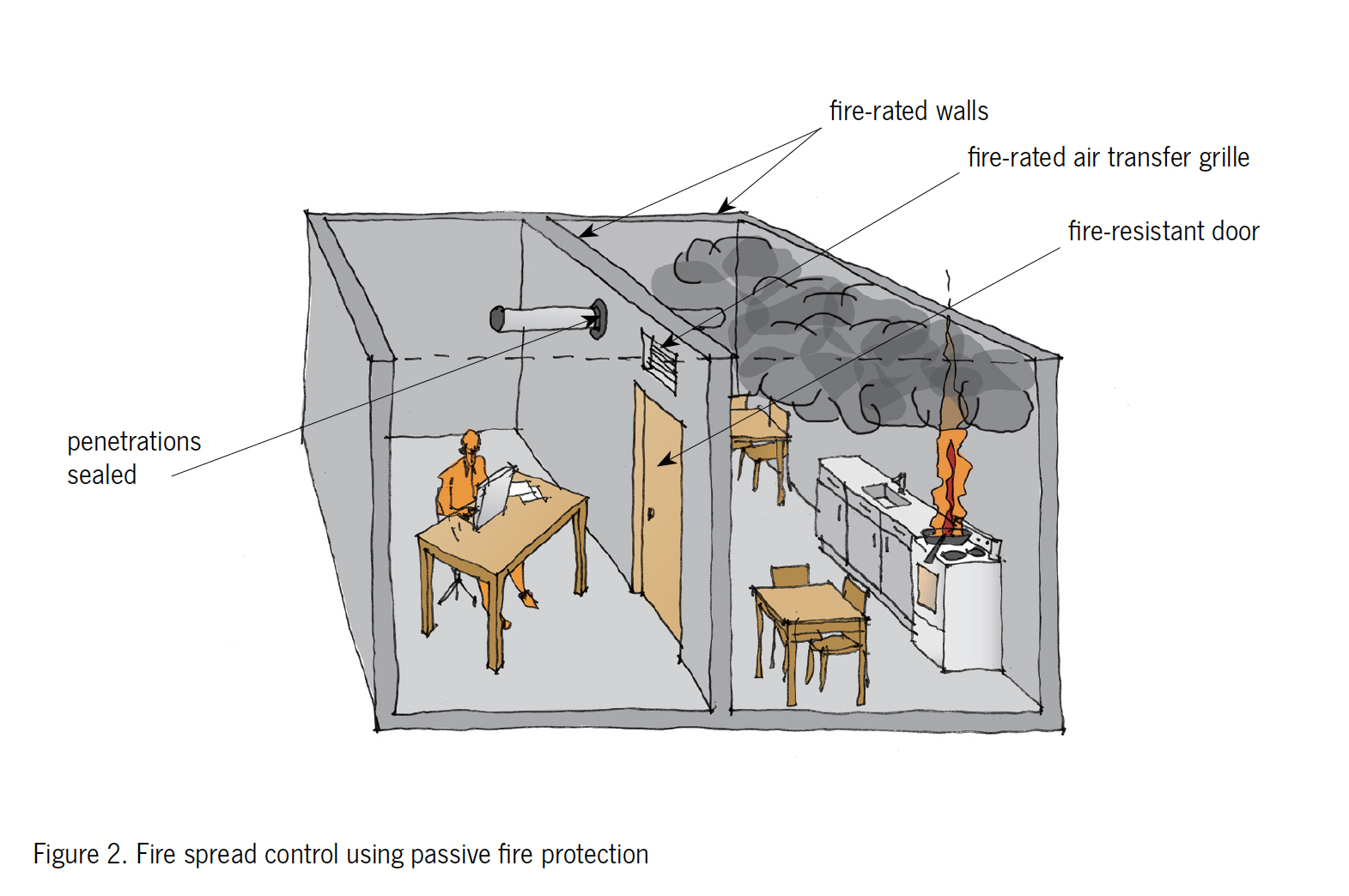
Image result for passive fire protection equipment

Whilst, this mans dinner is definitely burned, his office remains structurally sound because the correct fire separation regulations have been followed.

Fire safety can seem like a mind field, but you can find lots of helpful information online, take a look at current regulations and guidelines here.

MAGG Fire Services, have already completed multiple passive fire protection projects in 2019 and look forward to continuing working along sites including schools and care homes, to ensure that the all separation meets current British Standards.

If you are unsure if your property adheres to current regulations, get in touch for one of our engineers to compete a separation report for your business. You can get in touch by calling us on 01785 711088 or via email at admin@maggfireservices.co.uk

For more information on the importance of passive fire protection, click here to take a look at our online video.


Need a service?

Request a callback.

Fixed pricing, full BS 5306 certification, covering Staffordshire & Central England.

Or call us 01785 711088

Picture of MAGG Fire Services
MAGG Fire Services
Keep reading

Latest articles.

A clipboard with a blank checklist and a pen next to a small red fire extinguisher on a wooden table.

What Are the 4 Types of Fire Extinguishers? A Complete Guide

Discover the four primary types of fire extinguishers used across UK buildings, including water, foam, CO2, and dry powder units, and how to apply

Which Fire Extinguisher Should You Use for Electrical Fires?

Learn which fire extinguisher is safe to use on electrical fires, why water is dangerous, and how to protect your workplace.
Technician in a hard hat and orange hi-vis vest holding a smartphone next to a red fire extinguisher on a wall.

Everything You Need to Know About Class F Fire Extinguishers

Learn how class f fire extinguishers work, why they are essential for commercial kitchens, and how to use wet chemical agents safely on cooking
Ready when you are

Let's get your fire safety signed off properly.

We'll handle the inspection, certification and paperwork — leaving you with a clean compliance record.

Request a callback

Tell us a little about your premises and what you need. We will come back within one working day.