
Emergencies such as fire, flood, or medical incidents can happen without warning. Our scenario-based evacuation training ensures staff understand their roles and respond confidently in line with fire safety requirements.
 Evacuation Training
Evacuation training gives staff the knowledge and confidence to understand their emergency responsibilities, follow safe evacuation procedures, and respond calmly when an incident occurs.
MAGG Fire Services delivers practical, scenario-based sessions tailored to your building type, risk level, layout, and operational needs, helping your team improve preparedness and maintain safer premises.
Emergencies can happen without warning, so staff need to understand what to do, where to go, who to support, and how to communicate during time-sensitive situations. Our training helps teams respond confidently and in line with fire safety requirements.
Sessions are designed around practical emergency scenarios, including fire, flood, and medical incidents. This helps staff understand how evacuation plans apply in real-world conditions.
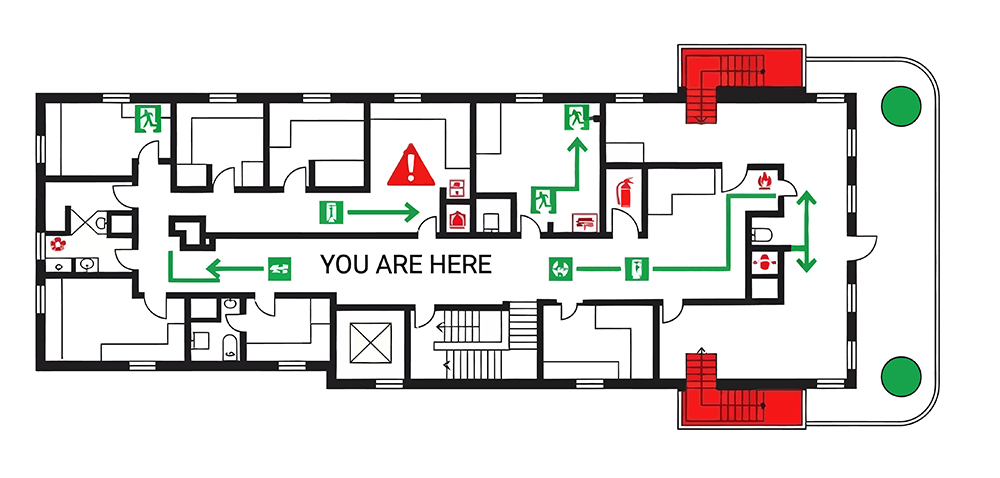
Training can reflect your building layout, operational risks, staffing structure, assembly points, evacuation routes, and procedures for supporting people who need additional assistance.
Our fire evacuation courses include understanding different types of emergencies such as fire, flood, and medical incidents. We cover staff responsibilities, safe evacuation routes, assembly point procedures, communication with emergency services, and the development and implementation of PEEPs.
Practical drills and post-training evaluations are also included to support continuous improvement and help your team apply best practice within your premises.
Our fire evacuation courses include the core procedures, responsibilities, and practical actions staff need to understand during an emergency.
Emergency Types
Staff learn how evacuation procedures apply to fire, flood, medical incidents, and other emergency situations.
Staff Responsibilities
Training clarifies staff roles, communication expectations, headcounts, and coordination during an incident.
Routes & Assembly Points
Teams understand safe evacuation routes, assembly point procedures, route management, and clear pathway requirements.
PEEPs & Practical Drills
The course covers Personal Emergency Evacuation Plans, support for vulnerable people, practical drills, and post-training evaluation.
Evacuation Training typically lasts 1-2 hours depending on group size and building layout. Annual refresher training is recommended to maintain compliance, keep procedures current, and ensure staff remain ready to respond.
All sessions are delivered on-site by experienced MAGG Fire Services trainers. Training includes hands-on exercises, scenario-based simulations, and professional feedback to ensure best practice is applied within your premises.
This practical approach helps staff understand the building they actually work in, the routes they need to use, and the procedures they need to follow during an emergency.


 01
01
Training focuses on safe and calm resident evacuation, including effective use of PEEPs, supporting individuals with mobility or cognitive challenges, and coordinating staff during emergencies.
 02
02
Healthcare evacuation training prioritises patient safety, ward and clinical area evacuation, safe movement of medical equipment, and staff coordination under pressure.
 03
03
Training supports safe evacuation for students and staff, clear assembly point procedures, effective communication, and support for people requiring additional assistance.
 04
04
Office and commercial training supports multi-floor evacuation procedures, headcounts, safe route management, and maintaining clear evacuation pathways.
 05
05
Training addresses high-risk operational areas, route management, team coordination, and realistic drills for larger or more complex environments.
 06
06
Training focuses on managing large groups safely, assisting vulnerable visitors, and keeping communication clear during emergencies.
Evacuation Training strengthens emergency preparedness, improves staff confidence, and supports safer premises.
Clearer emergency roles
Staff understand their responsibilities and how to support evacuation procedures.
Safer evacuation routes
Teams understand safe route management, assembly points, and pathway control.
Better support for vulnerable people
Training includes PEEPs and practical support for occupants who may need assistance.
Improved compliance readiness
Annual refreshers and documented training support fire safety management and ongoing preparedness.
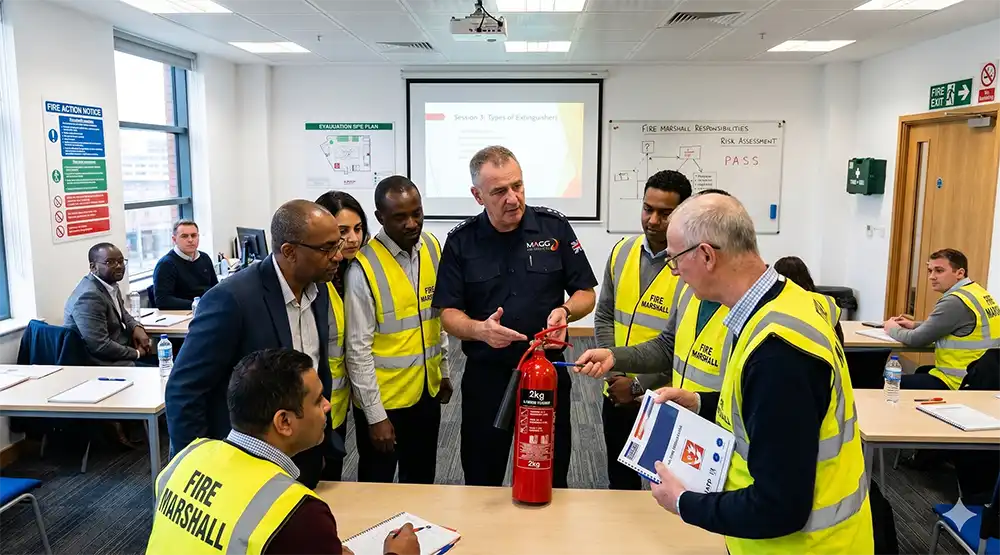
MAGG Fire Services provides practical, scenario-based evacuation training tailored to your building type, risk level, and operational needs.
Our trainers deliver on-site exercises, realistic simulations, and professional feedback so your team can apply safe evacuation practice within the premises they use every day.
Request a CallbackImprove emergency preparedness and give your team the confidence to respond safely. Call 01785 711088 or request a callback to arrange Evacuation Training with MAGG Fire Services.
Training enquiry
Tell us which course you need and when. A member of the MAGG Fire Services team will come back to you to confirm dates and pricing.
Selected training: Evacuation Training