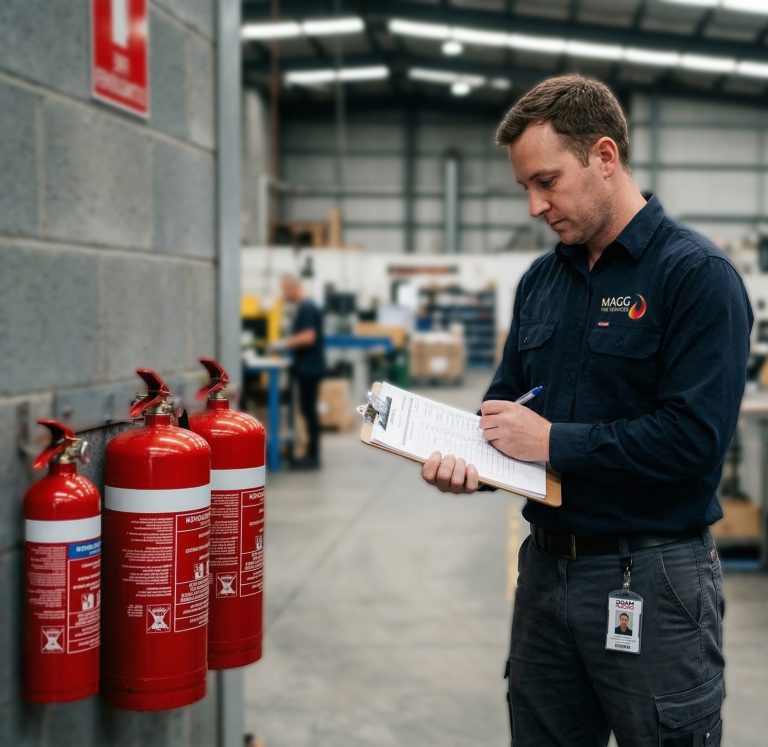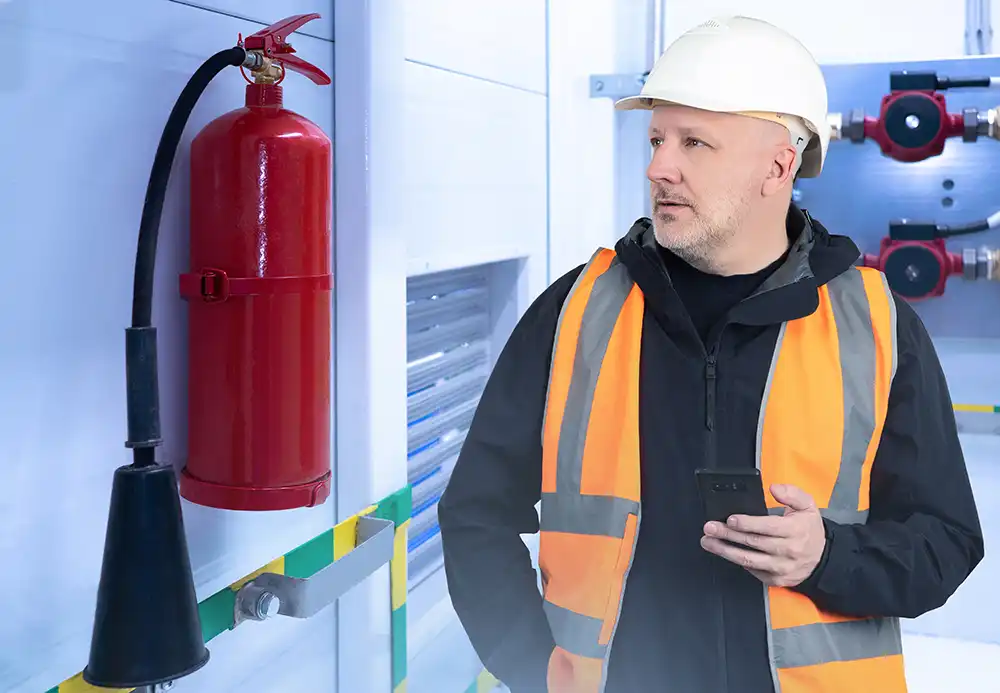
Commercial kitchens are high-risk environments where intense heat, open flames, and large quantities of cooking oils and fats create the potential for severe fire hazards. Traditional water, foam, and CO2 extinguishers are entirely unsuitable for deep fat fryers and cooking oil fires. Attempting to use them can cause boiling oil to splatter violently or reignite the flames, putting kitchen staff in immediate danger. This is why understanding the correct safety equipment, specifically class f fire extinguishers, is essential for any commercial hospitality or catering establishment.
What Makes Cooking Oil Fires Different?
Fires fueled by cooking oils and fats, commonly classified as Class F fires, burn at extremely high temperatures. Deep fat fryers in restaurants, school canteens, and hotel kitchens reach temperatures well above the auto-ignition point of vegetable oils and animal fats. When water is introduced to burning oil, it instantly vaporises into steam beneath the surface of the hot liquid. This rapid expansion causes the burning oil to erupt out of the fryer, creating a dangerous fireball that can rapidly spread the fire across the room.
Because standard extinguishers fail in these scenarios, kitchen operators must rely on specialist suppression agents. To understand how these fit into a wider property setup, it is useful to review the Different types of fire fire extinguisher that might be required across different zones of a building.
How Class F Extinguishers Work
Class F extinguishers generally utilise a wet chemical solution, typically composed of an aqueous solution of inorganic salts. When discharged onto burning oil or fat, the solution reacts in two distinct ways to extinguish the fire and prevent it from starting up again:
- Saponification: The wet chemical reacts with the hot oil to form a soapy, non-combustible foam blanket over the surface of the liquid.
- Cooling: The water content within the wet chemical agent provides a cooling effect, dropping the temperature of the oil below its auto-ignition point.
This combined action seals in the vapours and isolates the fuel from oxygen, securing the hazard until professional help arrives. Because kitchen safety requires a comprehensive approach, staff should also understand other critical mitigation tools such as Fire blankets, which are often installed alongside wet chemical units to smother small pan fires quickly.
Where and How to Position Them
Proper placement is just as important as having the right equipment installed. In commercial kitchens, extinguishers must be positioned where they can be reached easily without putting the user in danger by forcing them to reach across a hot fryer or stove.
- Mount the unit on a wall bracket near the exit route of the kitchen so staff can access it while retreating from a growing hazard.
- Ensure the unit is clearly visible and marked with the correct identification signage.
- Keep the path to the extinguisher free from temporary blockages, deliveries, or prep equipment.
Legislation and insurance guidelines require commercial premises to maintain all safety equipment to standard. Regular oversight forms a core part of general property upkeep, and businesses often schedule routine checks alongside an annual Why do I need a Fire Risk Assessment? review to identify shifting hazards in busy cooking areas.
Training Staff to Respond Effectively
Having the correct equipment in the kitchen does not guarantee safety if employees do not know how to operate it under pressure. Panic and hesitation are common when a flare-up occurs, which is why practical instruction is vital. Staff need to know not only how to pull the pin and aim the hose, but also when it is safer to evacuate the area entirely rather than attempt to fight a large fire.
Employers looking to build staff confidence and meet regulatory duties often arrange structured Fire Extinguisher Training for Businesses sessions. Hands-on guidance ensures that kitchen teams understand the limitations of their equipment and can act decisively if an incident occurs.