Dealing with a fire involving live electricity requires immediate and correct action. Using the wrong extinguishing agent can lead to fatal electrocution, turning a manageable incident into a severe hazard. Understanding how to tackle these situations safely protects both personnel and property.
The Dangers of Water on Live Electrical Equipment
Water is an excellent conductor of electricity. If you throw water onto a live electrical fire, the current can travel straight back through the stream of liquid and into the body of the person holding the extinguisher. This creates an immediate risk of severe electric shock or death. Because of this critical danger, standard water extinguishers must never be used anywhere near live circuits, fuse boards, or plugged-in appliances.
Before any firefighting attempt is made, the ultimate priority should always be isolating the power supply if it is safe to do so. Turning off the mains switch or unplugging the appliance instantly removes the electrical hazard, changing the classification of the fire and opening up safer options for suppression.
Identifying the Correct Fire Extinguisher for Electrical Hazards
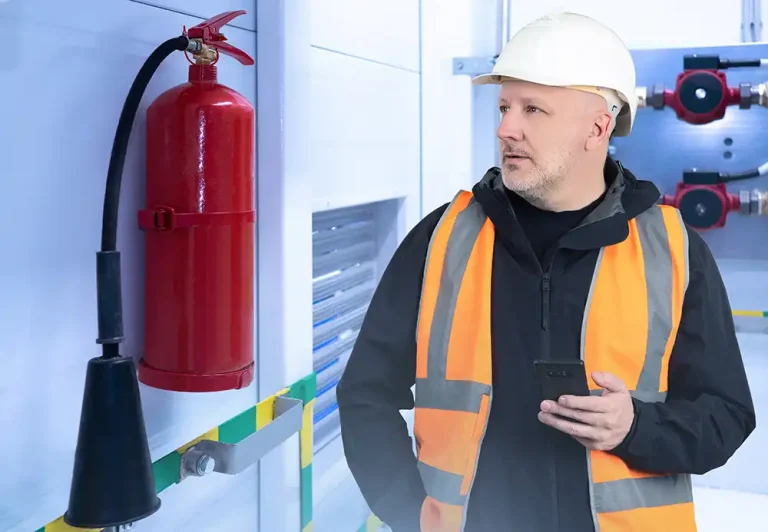
When searching for a safe fire extinguisher for electrical risks, carbon dioxide (CO2) units are the gold standard. CO2 extinguishers contain compressed gas that smothers the fire by displacing oxygen while leaving no harmful residue behind. Because carbon dioxide is a non-conductive gas, it will not carry an electrical current back to the user, making it ideal for server rooms, offices, and industrial switchgear.
Dry powder extinguishers are another option often found in environments with mixed fire risks. While they can safely suppress electrical fires because the powder is non-conductive, they create a dense cloud of dust, severely impair visibility, and can damage sensitive electronic components. For a broader overview of how to maintain your safety equipment, it is always wise to consult guidance on checking your fire extinguishers regularly.
Understanding Fire Classifications and Ratings
Electrical fires do not have their own official letter classification under British standards, because electricity is a source of ignition rather than a fuel. Instead, electrical risks are usually associated with Class C (flammable gases) or Class E (though Class E is no longer officially used in UK classifications, the term persists informally for electrical equipment). Most modern CO2 extinguishers carry a fire rating that denotes their capacity to deal with Class B liquid fires as well, since flammable liquids and electrical gear often exist in the same spaces, such as commercial kitchens or manufacturing plants.
It is vital to remember that foam and water-mist extinguishers are generally unsafe on live equipment unless they have passed specific dielectric testing up to strict voltage thresholds. Even then, manufacturers typically advise cutting the power first. To ensure your premises are fully compliant and prepared, you may need a structured Fire risk assessment to identify every potential hazard on site.
Best Practices for Workplace Safety and Training
Equipment is only as effective as the people operating it. Having the right canisters mounted on the wall is useless if staff panic or use the wrong cylinder in a crisis. Proper instruction ensures that employees know how to distinguish between a CO2 unit and a water or foam unit at a glance, usually indicated by the black band on the red body of the extinguisher.
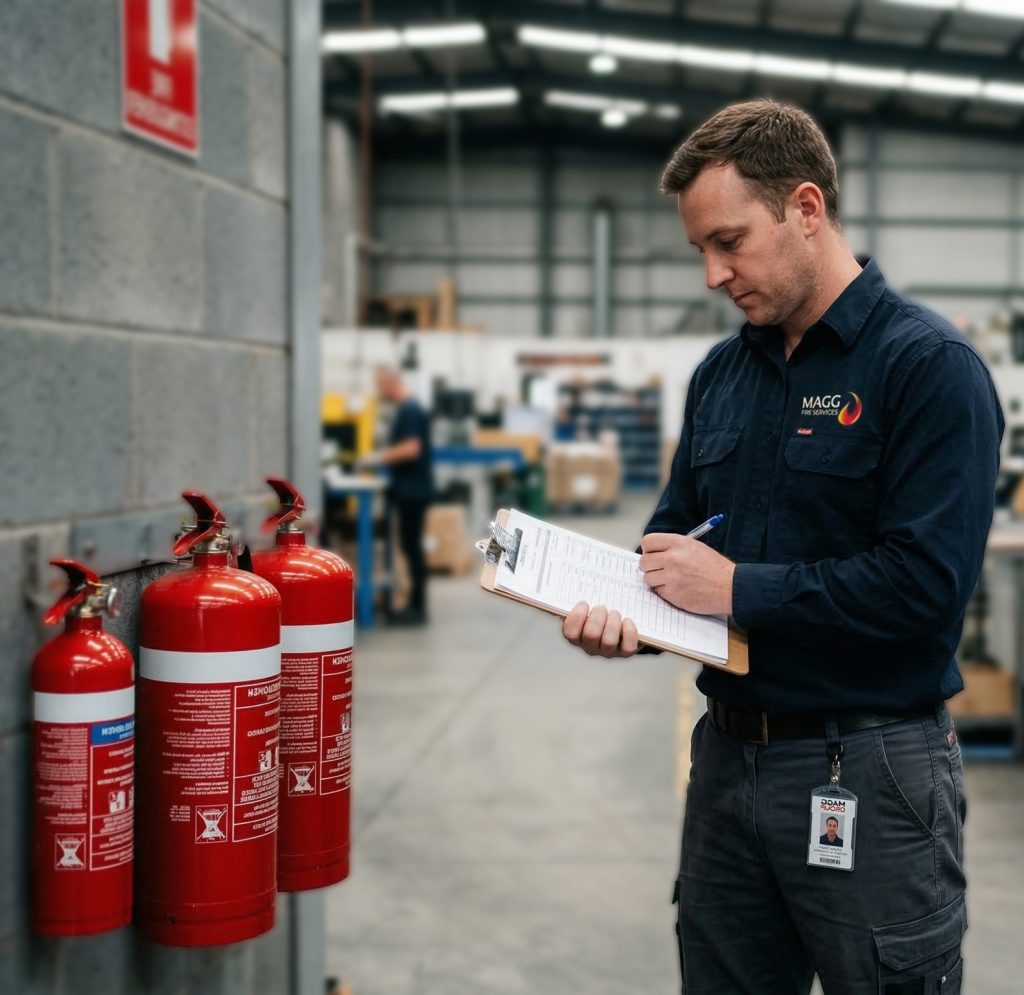
Investing in comprehensive Fire Extinguisher Training for Businesses gives your team the practical confidence to handle emergencies properly. Practical drills prevent costly mistakes and reinforce the golden rule: isolate the power, use carbon dioxide if power cannot be cut, and evacuate immediately if the fire grows beyond a small, controllable stage.