When it comes to fire safety in commercial buildings, few systems are as critical as dry risers and fire hydrants. These components play a vital role in ensuring that fire and rescue services can quickly access water in the event of a fire emergency. At MAGG Fire Services, we work with a range of clients across the West Midlands and beyond, providing essential testing and maintenance to ensure systems are compliant and ready to perform.
What Are Dry Risers?
A dry riser is a vertical pipe fitted into a building, which allows the fire brigade to pump water to various levels of the property during a fire. These systems are typically required in buildings over 18 metres tall. Unlike wet risers, dry risers are not permanently charged with water—they are filled by firefighters during an emergency.
What About Fire Hydrants?
Fire hydrants are outdoor access points to the water supply network, allowing emergency services to draw large volumes of water. Hydrants must remain unobstructed and fully functional at all times to support fast response efforts.
Why Testing Matters
UK regulations stipulate that dry risers should be tested annually and visually inspected every six months. Hydrants also require regular maintenance to ensure functionality, correct pressure, and flow rate.
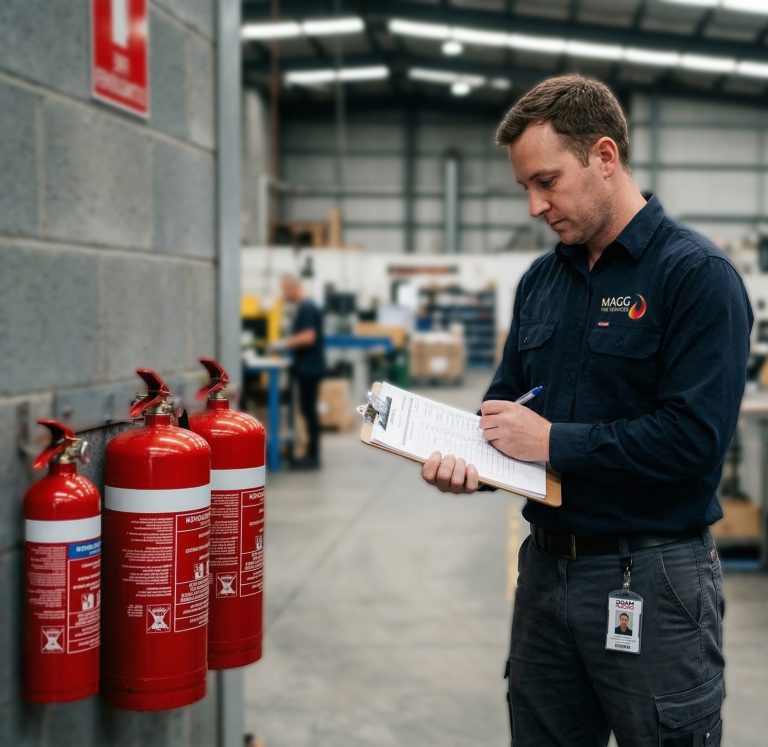
At MAGG Fire Services, our trained engineers carry out comprehensive testing for both dry risers and fire hydrants. We’ve worked with businesses such as Moveero and Celtic Horizons to ensure their systems are compliant, safe, and well-maintained. Our detailed reports help facilities managers meet their legal responsibilities with confidence.